Pathology jobs are entering a period of rapid evolution as artificial intelligence begins to be integrated into the diagnostic medicine workflow. Concerns about automation of diagnostic workloads and replacement of physicians have dominated public discussion of AI applications in medicine.
In the case of pathology, the impact of artificial intelligence technologies is already changing how the work is performed, how value is measured, and how compensation may be impacted in the future, while still maintaining a need for physician expertise.
Key Takeaways
- Pathology jobs are being reshaped by advances in artificial intelligence rather than eliminated.
- AI tools are improving efficiency, consistency, and diagnostic support in pathology workflows.
- Adoption of AI may influence compensation models by changing productivity and case complexity.
- Workforce shortages and growing diagnostic demand continue to support strong job prospects.
Table of Contents
How AI Is Entering Pathology Jobs
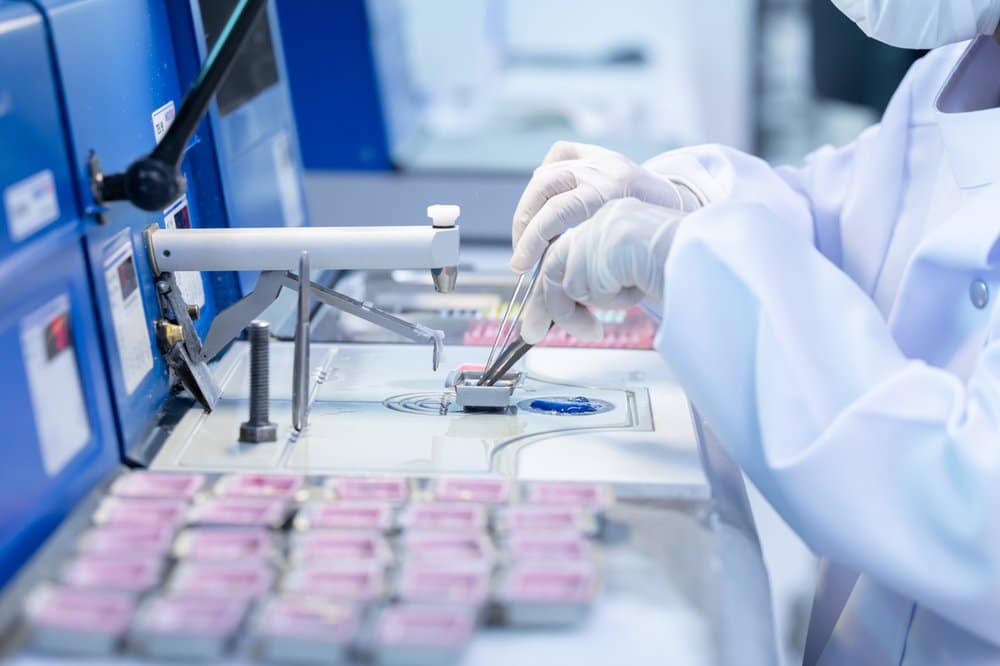
AI adoption is most advanced in pathology for image recognition, machine learning, and data processing applications. These tools have primarily been applied to slide analysis, pattern recognition, and workflow optimization.
Scanning glass slides into high-resolution digital images with artificial intelligence and digital pathology platforms allows AI algorithms to then be used to analyze image data to search for features associated with malignancy, grading, or other diagnostic characteristics. This process has already begun to shift case triage and remote consultation toward digital systems while still preserving pathologist oversight of diagnostic decisions.
What AI Can and Cannot Do in Pathology Jobs
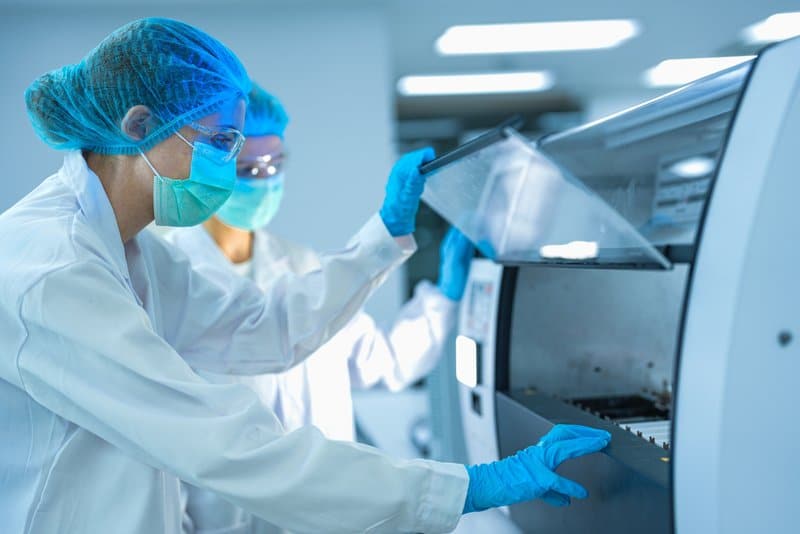
Current AI applications in pathology tend to be most accurate and useful for narrow, well-defined tasks such as counting mitotic figures, delineating tumor margins, or flagging abnormal cells that may require further evaluation. These types of applications reduce repetitive workload for pathologists and improve consistency across high volumes of cases.
Systematic review of current literature on the application of AI to digital pathology found high levels of diagnostic accuracy (mean sensitivity 96.3% and specificity 93.3%) across a range of studies. However, examples of routine clinical deployment are still somewhat limited and require additional validation. This finding points to the promise of AI, but also to the current need for physician validation.
Clinical context, comparison to patient history, and judgment calls on ambiguous findings remain within the purview of the pathologist.
How AI Helps Augment Pathology Work
AI’s most direct impact on pathology jobs is the augmentation of specific, repetitive aspects of work, rather than outright substitution of these elements. Augmentation of the pathology workflow by AI can be understood as assisting the pathologist with case prioritization, triage, and faster turnaround time with less variability.
An example of this application would be AI pre-screening of slides to direct pathologist attention to areas of most diagnostic concern, improving pathologist efficiency without reducing accountability. Quality assurance benefit can also be gained through AI assistance with consistency checks. This type of augmentation supports higher value-added physician work as opposed to commoditizing physician expertise.
Implications for Pathology Jobs Demand
Workforce issues are also important in understanding the impact of AI on pathology jobs. Pathology as a specialty already faces workforce shortages related to retirement and a slow-growing training pipeline. At the same time, diagnostic demand for pathologists continues to rise due to aging populations, increased cancer incidence, and expanded testing.
AI adoption is one tool that may help alleviate workload burden, but it does not appear to be substituting for an increasing need for trained pathologists. Instead, AI tools may allow existing pathologists to absorb increasing work volume without requiring staffing increases at the same rate. Pathology jobs are therefore likely to remain in strong demand even with increased technology adoption.
How AI May Influence Pathology Salaries
Pathology salaries are set based on a variety of factors related to the productivity, case complexity, and value delivered by the pathologist. AI has the potential to impact each of these aspects of compensation, without directly suppressing or inflating physician earnings.
In productivity-based compensation, AI-assisted increases in efficiency can allow higher case throughput and potentially higher earning. In salaried employment, pathologists who can effectively integrate AI tools into their workflow and oversee more advanced diagnostic activities may be valued more by institutions.
AI adoption has the potential to shift definitions of value and corresponding compensation in pathology jobs rather than directly impacting earning levels.
Changing Skill Sets for Future Pathology Jobs
Skill set requirements for pathologists are also changing in the face of advancing technology. As AI becomes more prevalent, pathologists will be expected to be able to interpret and provide oversight for algorithmic outputs and rule out false positives or other anomalies.
Professionals who specialize in the analysis and implementation of AI tools in medicine have gone on record to say that they believe AI is unlikely to replace pathologists in the near term. These authors point out that pathologists will instead be required to adapt their workflows, interpret and provide oversight for AI outputs, and maintain diagnostic decision-making.
Regulatory and Liability Considerations
The regulatory landscape for AI deployment and adoption in the US continues to evolve, but does not currently constrain the ability of pathologists to integrate tools into diagnostic decision-making. Diagnostic and patient care responsibility still resides with the physician, even when AI tools have been used to support the diagnostic process.
Hospital and laboratory administrators have been conservative about widespread replacement of pathologists with AI due to this regulatory uncertainty as well as reimbursement and liability issues. These factors have so far slowed AI deployment and scenarios in which automation replaces physician judgment.
AI, Career Longevity, and Professional Strategy
The arrival of AI also interacts with pathologists’ long-term career planning. Physicians should understand the effect of technology on workload sustainability, relevance of their skill set, and their negotiating power during employment contract discussions.
Pathologists who engage with their hospital’s digital pathology initiatives may find themselves with new opportunities to participate in the leadership, quality oversight, and innovation strategy related to AI and digital pathology adoption. These types of roles have the potential to add professional value beyond raw case volume.
Pathology Jobs Within the Broader Healthcare Landscape
AI adoption and digital pathology is one example of broader changes that are underway in healthcare and how diagnostic medicine is evolving. Precision medicine, data-driven diagnostics, and healthcare efficiency goals increasingly rely on advanced analytics.
Pathology is situated at the confluence of many of these trends and is in many ways foundational to the realization of the larger shift. This should continue to support relevance of and demand for the physician role in medicine, as opposed to eroding the specialty or profession. In this sense, AI in pathology reinforces the importance of diagnostic accuracy and clinical judgment.
Preparing for the AI-Driven Future of Pathology Jobs
Physicians Thrive works with physicians across the U.S. and helps with career changes, contract review, insurance planning, and long-term financial strategy. Our team of experts can help physicians understand the rapidly changing environment and evaluate how technological shifts in diagnostic medicine impact factors like compensation, risk, and career longevity. Contact us today.