Trends in the use of ambulatory and outpatient surgery centers for bariatric surgery and weight loss procedures are affecting physician compensation and careers as much as patient access to care. As procedures like laparoscopic and robotic sleeve gastrectomy become safer and more efficient, an increasing portion of the market is moving to ambulatory centers. For surgeons and medical staff involved in bariatric procedures, these shifts impact everything from near-term income to practice efficiency to long-term financial strategy.
Key Takeaways
- More than 40% increase in outpatient bariatric surgery performed in 2022
- An estimated one in three bariatric procedures is now performed in an ambulatory surgery center
- Surgeons earn 8–15% more in per-case compensation through ASC practice, driven by ownership opportunities and reduced overhead
- Contract reviews should focus on payment splits, RVU definitions, and ownership language for the practice setting and specialty
Table of Contents
Outpatient Bariatric Surgery by the Numbers
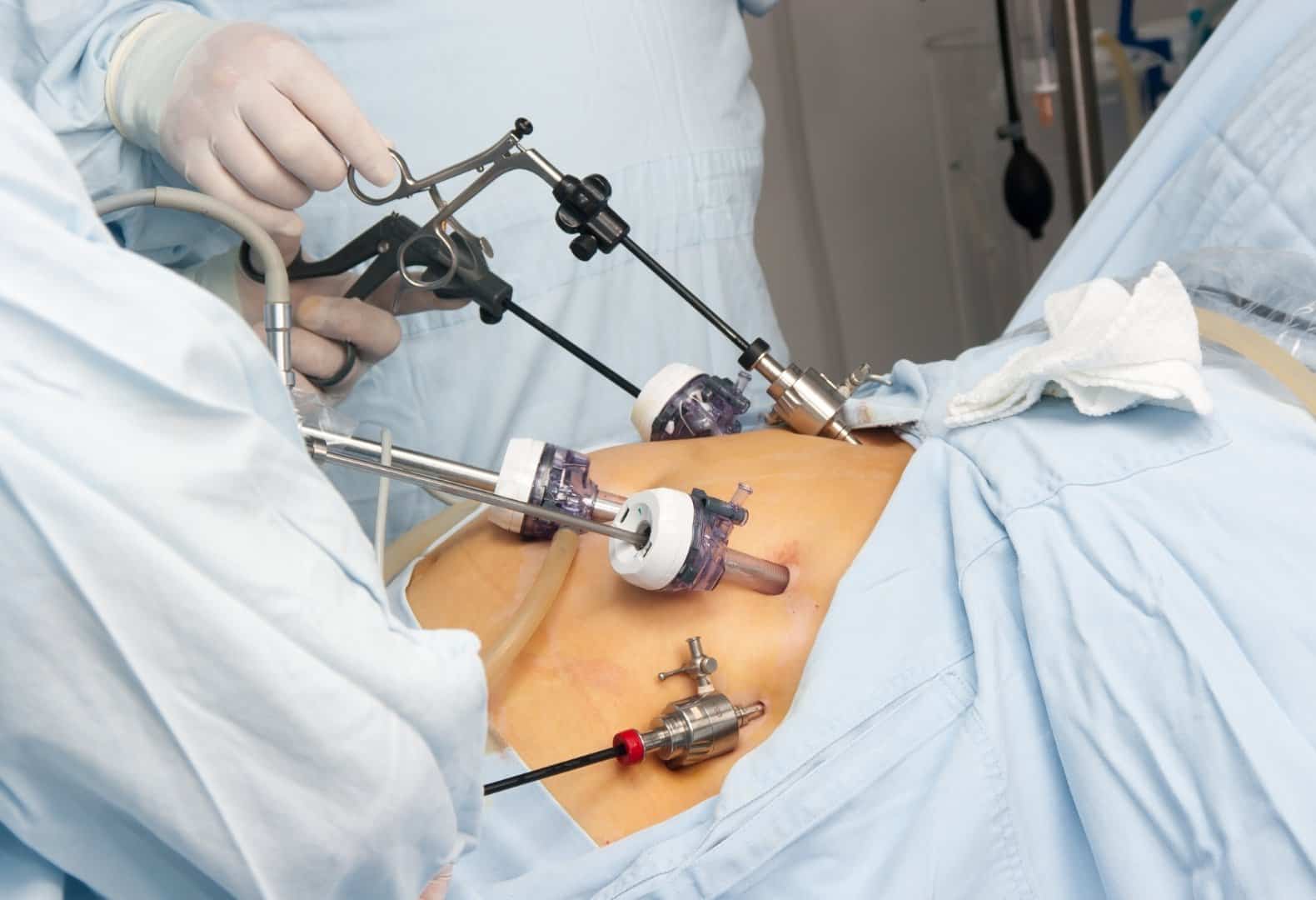
Recent data shows that bariatric surgery in outpatient settings continues to grow. According to the ASMBS, more than 40% of all weight-loss procedures performed in 2022 were ambulatory, more than a third of which took place in ASCs.The increasing volume reflects an expanding evidence base and patient demand for procedures such as sleeve gastrectomy that are often performed on an outpatient basis and require no overnight stay or in-hospital recovery.
In general, the surgical safety profile for outpatient weight loss procedures has improved as procedural techniques have advanced, with shorter recovery times and lower infection risk. For physicians, these changes mean greater clinical volume but also practice operational considerations. Contract reviews for new bariatric surgery opportunities or practice changes should take these shifting factors into account.
Advancements in Minimally Invasive Bariatric Surgery
Procedure definitions and clinical pathways for outpatient bariatric surgery continue to evolve in the U.S. While patients and referring physicians now have more options, certain guidelines can be helpful for contract reviews and assessing potential pay opportunities.
Ambulatory surgery centers typically restrict case complexity to moderate-intensity surgeries with straightforward recovery protocols. Riskier cases involving higher comorbidities are usually handled on an inpatient or hospital outpatient basis. Common outpatient procedures now include:
- Sleeve gastrectomy, the most common bariatric procedure in the U.S. market.
- Gastric band placement, removal, or revision.
- Gastric bypass in low-risk patients.

More complex cases involving a duodenal switch or revisional surgery are less common in ASCs due to their risk and complication profile. The American Society for Metabolic and Bariatric Surgery (ASMBS) also notes that many of these complex cases remain hospital-based. At the same time, procedures previously restricted to hospital use have become more efficient and better suited to ASC use.
Reimbursement and Income Growth for Surgeons
The increasing availability and affordability of outpatient bariatric procedures has benefited surgeons and physicians in private practice. Patient demand has risen, leading to higher case volumes and surgical workloads for many. Furthermore, ambulatory surgery centers can provide higher net revenue per case due to reduced overhead expenses.
Salaries for bariatric surgeons remain similar across practice settings in base terms, but surgery center and ASC involvement provide higher earning potential and schedule flexibility. In particular, some ASCs offer:
- Revenue-sharing structures based on percent of collection.
- Incentive RVUs for higher productivity or efficiency.
- Shared or full ownership equity of the facilities.
Combined, these advantages result in higher reported compensation for outpatient-involved bariatric surgeons. In their analysis of ASC pay, Becker reported that surgeons affiliated with private ASCs saw significantly higher total annual compensation than hospital-employed peers. Payers are also beginning to adjust reimbursement systems to support the move to ambulatory surgery, though this is unevenly applied across payer networks and settings.
Ambulatory practices can provide an opportunity for higher earning potential and improved work-life balance for bariatric surgeons. At the same time, these advantages come with trade-offs in terms of responsibility and risk. Compared to a traditional hospital role, a bariatric surgeon-owned ASC often requires greater involvement with practice management and administration. Outside of salary and ownership, contract review for potential pay opportunities should include a number of other terms to ensure earnings are fairly represented and protected.
Bariatric Surgeon Income, Efficiency Gains
Efficiencies are key to ASCs, both from a patient volume and physician scheduling perspective.In our experience, a number of operational changes benefit outpatient surgeons and those who may partner with an ASC or ambulatory practice. This can include:
- Shorter time per case and faster patient turnover.
- Higher case volume and improved procedural throughput.
- Streamlined team coordination with smaller, stable clinical teams.
Some outpatient surgeons also report higher efficiency and procedural satisfaction based on their ability to control schedules and improve patient follow-through. At the same time, co-ownership or a strong partnership in a private ASC can increase administrative demands for physicians. This can include a heavier management and vendor relations workload for surgical staff and an increased need for contractual insurance coverage to protect personal earnings.
The Evolving Business of Bariatric Surgery
Payer systems and bundled reimbursement have also changed to reflect this shift to higher-efficiency care models. In the 2024 Physician Compensation Report, we found that specialists in higher-surge-driven settings like ASCs were more likely to be on RVU-based or net-collections salary models. Salaries for hospital-employed specialists had not changed materially and remained in a salary-plus-bonus model.

In a similar review of 2025 income data, Medscape reported that surgeons providing procedure-based services, including bariatric and weight-loss procedures, had seen average income growth of 2.4% over the previous year. The group highlights that this increase was based on a 2% increase in income per work RVU, suggesting that productivity-linked incentive pay is becoming more common at the national level. Physicians reviewing potential ASC pay opportunities should also carefully consider such factors as payer mix, expense sharing, and patient acquisition.
Outpatient Bariatric Surgery and the Doctor’s Bottom Line
As with other elements of modern surgical practice, the trend toward outpatient bariatric and weight loss surgery has long-term financial implications for surgeons and physicians. In particular, ASC ownership has created a pathway for lifetime income and residual value. This requires proper planning and risk mitigation, such as:
- Contract structure, including detailed definitions for key variables like revenue splits and RVU values
- Insurance and liability coverage to protect individual physician income
- Succession and investment planning for property and equipment
Planning for a future that includes an outpatient practice is essential to making the most of your earnings from bariatric surgery. Physicians Thrive offers contract reviews, insurance advisory services, and long-term planning to help surgeons and physicians thrive in these new care delivery models.
Take Control of Your Career in Bariatric Surgery
Structuring and planning for a sustainable financial future is the only way to ensure that your current hard work and surgical productivity delivers both professional and personal success. At Physicians Thrive, we serve bariatric and weight-loss surgeons across the country, focusing on all the skills and service lines that you use to help your patients. Let’s ensure your work is fairly compensated for today while securing tomorrow. Schedule your contract review today.